LOH 286 School bullying: It's not just kids being kids / El acoso escolar: No es cosa de niños


What do I think about bullying? As a teacher for almost 30 years, I believe it's one of the most silent and, at the same time, most devastating forms of violence. It's silent not because it goes unseen—it often happens right in front of everyone—but because those who witness it tend to remain silent out of fear, indifference, or because they think it's just kids being kids. And no, it's not just kids being kids. These things leave scars that last a long time. I'm especially outraged by the tendency to normalize it or blame the victim (don't let it happen, ignore them and they'll get tired of it). That advice, besides being useless, revictimizes the victim.
How would I address it?
From three angles. First, in schools: I would implement mandatory emotional intelligence and coexistence programs from the earliest years, not just sporadic talks. Teachers must be trained to detect early warning signs—a child who isolates themselves, changes their habits, arrives with excuses to avoid class—and act immediately, with clear protocols that do not minimize the incident.

Second, with the aggressors: a restorative approach, not simply a punitive one. It's not just about punishing, but about making them understand the harm they cause and repairing it as much as possible.
Third, with families: workshops for parents on warning signs and how to teach respect, because bullying often starts at home, with violent or permissive role models.
What would be my best advice for children who are victims of bullying, and what would I do as a mother?
My first piece of advice would be this: You are not alone, and this is not your fault. I would tell them to speak up, not to swallow their pain. I would explain that silence is what the bully wants, and that asking for help is not cowardice, but the bravest thing they can do. I would also teach them practical responses: stay close to other classmates (predators look for solitary children), use a firm tone to say "stop" without insulting, and document every incident (dates, witnesses, screenshots if it's on social media). But above all, I would promise them that I would take action.


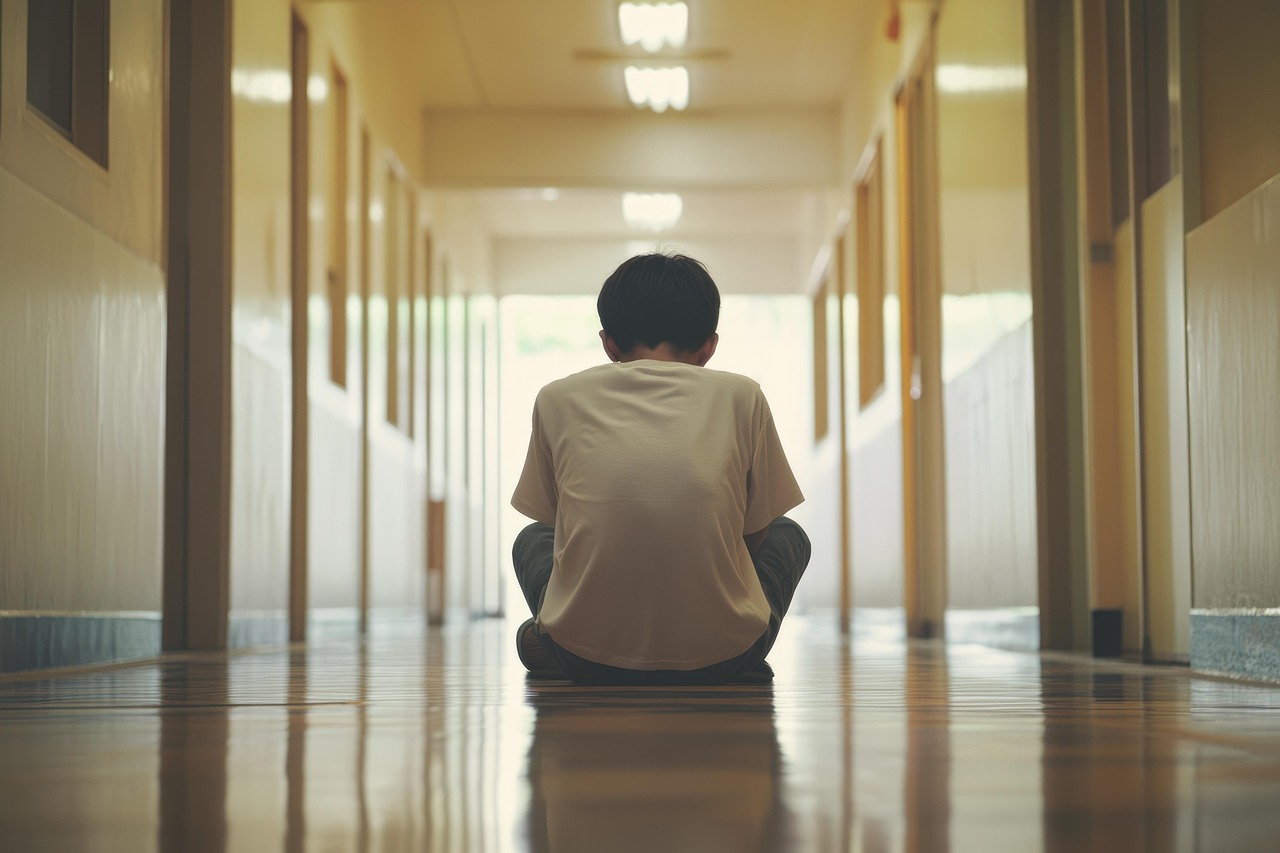

What would I do?
First: listen without judging or minimizing. I wouldn't tell her to ignore them, but rather to believe her and let's solve this together. Second: go to the school and demand concrete measures, not vague promises. If the school doesn't act, I would escalate the matter to the education inspectorate. If the bullying is physical or includes threats, I wouldn't hesitate to report it to the police.
Third: I need to find psychological support for my son, not because he's "broken," but so he can rebuild his self-confidence and learn coping mechanisms. And if necessary, I'll change his school. No academic project is worth his mental health.
Because ultimately, the best defense against bullying isn't for a child to learn to be stronger on their own, but for them to know that there are adults willing to fight alongside them.
Credits: I used Google Translate.
The images are from Pixabay.
ESPAÑOL
Cuando escucho la expresión "acoso escolar", no puedo evitar pensar en cuánto daño cabe en una palabra tan pequeña. Porque el acoso no son solo empujones o insultos ocasionales; es un patrón sistemático de crueldad que erosiona la autoestima, la seguridad y, en los casos más trágicos, las ganas de vivir de un niño o adolescente.
¿Qué pienso sobre el acoso escolar? Como profesora que fui durante casi 30 años, pienso que es una de las formas más silenciosas y, a la vez, más devastadoras de violencia. Lo silencioso no porque no se vea —muchas veces ocurre frente a todos—, sino porque quienes lo presencian suelen callar por miedo, indiferencia o por pensar que son cosas de chicos. Y no, no son cosas de chicos. Esas cosas dejan cicatrices que duran por mucho tiempo. Me indigna especialmente la tendencia a normalizarlo o a culpar a la víctima (no te dejes, ignóralos y se cansarán). Ese consejo, además de inútil, revictimiza.
¿Cómo lo abordaría?
Desde tres frentes. Primero, en la escuela: implementaría programas obligatorios de inteligencia emocional y convivencia desde los primeros años, no solo charlas esporádicas. Los docentes deben estar capacitados para detectar señales tempranas —un niño que se aísla, que cambia sus hábitos, que llega con excusas para no ir a clase— y actuar de inmediato, con protocolos claros que no minimicen el incidente.
Segundo, con los agresores: abordaje restaurativo, no punitivo a secas. No se trata solo de castigar, sino de hacerles entender el daño que causan y repararlo en lo posible.
Tercero, con las familias: talleres para padres sobre señales de alerta y sobre cómo educar en el respeto, porque el acoso a menudo empieza en casa, con modelos violentos o permisivos.
¿Cuál sería mi mejor consejo para los hijos víctimas de acoso y qué haría como madre?
Mi primer consejo sería este: No estás solo, y esto no es tu culpa. Le diría que hable, que no se trague el dolor. Le explicaría que callar es lo que el acosador quiere, y que pedir ayuda no es cobardía, sino el acto más valiente que puede hacer. También le enseñaría respuestas prácticas: mantenerse cerca de otros compañeros (los depredadores buscan niños solitarios), usar un tono firme para decir "basta" sin insultar, y documentar cada incidente (fechas, testigos, capturas de pantalla si es en redes). Pero sobre todo, le prometería que yo actuaría.
¿Qué haría yo?
Lo primero: escuchar sin juzgar ni minimizar. No le diría no les hagas caso, sino te creo y vamos a resolverlo juntos. Segundo: ir al colegio, exigir medidas concretas, no promesas vagas. Si la escuela no actúa, escalaría a inspección educativa. Si el acoso es físico o incluye amenazas, no dudaría en denunciar ante la policía.
Tercero: buscar apoyo psicológico para mi hijo, no porque él esté "roto", sino para que reconstruya su seguridad y aprenda herramientas. Y si fuera necesario, cambiarle de colegio. Ningún proyecto académico vale su salud mental.
Porque al final, la mejor defensa contra el acoso no es que un niño aprenda a ser más fuerte solo, sino que sepa que hay adultos dispuestos a pelear a su lado.
Créditos: Utilicé el traductor de Google.
Las imágenes las tomé de Pixabay.
Gracias por compartir este testimonio tan necesario y valiente. Leer sobre estas experiencias nos recuerda que el acoso escolar deja huellas profundas, pero también que sanar es posible cuando alzamos la voz. Me quedo con la importancia de la red de apoyo para quienes pasan por esto. ¡Un abrazo fuerte!
View or trade
LOHtokens.@ladiesofhive, you successfully shared 0.1000 LOH with @estelacha and you earned 0.1000 LOH as tips. (6/50 calls)
Use !LADY command to share LOH! More details available in this post.
This post has been manually curated by @bhattg from Indiaunited community. Join us on our Discord Server.
Do you know that you can earn a passive income by delegating to @indiaunited. We share more than 100 % of the curation rewards with the delegators in the form of IUC tokens.
Here are some handy links for delegations: 100HP, 250HP, 500HP, 1000HP.
100% of the rewards from this comment goes to the curator for their manual curation efforts. Please encourage the curator @bhattg by upvoting this comment and support the community by voting the posts made by @indiaunited.