[ENG/ESP] The encounter with the "me" of the future / LOH contest 277
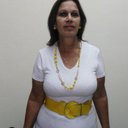
Imagine you manage to sit across from yourself, say, 10 or 20 years from now. It's not just about seeing how you look, but about sensing your energy.
 source
Ask yourself: Are you at peace? What are you most proud of? What do you value most about your daily life? What do you notice was a waste of time and what was a wise investment?
Observe your surroundings: What kind of people surround you? What kind of space do you live in? Is your schedule filled with obligations or with activities that nourish you?
This first step is crucial because that future "you" isn't a stranger; it's a more developed version of who you are now. Your answers are, in reality, your deepest values projected into the future.
Traveling to the future is a deceptive way of looking at the present honestly. If you don't like the future you see, it's a wake-up call about the decisions you're making today.
The future isn't a random destination. It's the harvest of the seeds you plant now: your habits, your relationships, your studies, how you manage fear and hope.
This exercise isn't about having a rigid life plan (a map), but about connecting with a direction (a compass). The journey helps you ask yourself: "Is what I'm doing today bringing me closer to or further from the person I want to be?"
There's a paradox in this journey. On the one hand, it's useful for visualizing goals. But on the other, the real future will always have an element of mystery and surprise that we can't control.
The future isn't a destination, but a construction: It's not about finding a perfect, static place. It's about imagining yourself in motion, with the ability to adapt, learn, and reinvent yourself through inevitable changes.
What's left behind: When traveling to the future, we can also ask ourselves: What am I willing to let go of to get there? Sometimes, to grow, we have to leave behind old versions of ourselves, fears, or even relationships that no longer support us.
 source
The final reflection on this journey is always the same: the only place where we can truly act is the present.
The future is not a place we arrive at, but something we create. The building materials are in your hands now:
It's the conversation you avoid having.
It's the project you postpone.
It's the habit you decide to start or abandon.
It's the kindness you choose today.
Finally:
Traveling to the future isn't about escaping the present, but about returning to it with greater clarity and purpose. It's an act of responsibility toward yourself.
I invite you to close your eyes for a moment and ask yourself: If I could send myself a message from that future, a short and heartfelt message, to remind me of something important today... what would it say?
Listen to the answer. That's your compass.
Credit: The images are my own.
I used Google Translate.
The images were taken from Pixabay.
ESPAÑOL
Hola a todas las personas que hacen vida en nuestra comunidad. Hoy quiero dejarles este viaje imaginario al futuro y espero que puedan disfrutar de él.
Imagina que logras sentarte frente a ti misma, digamos, dentro de 10 o 20 años. No se trata solo de ver cómo te ves, sino de percibir tu energía.
fuentePregúntale: ¿Está en paz? ¿De qué se siente más orgullosa? ¿Qué es lo que más valora de tu vida cotidiana? ¿Qué advierte que fue una pérdida de tiempo y qué fue una inversión acertada?
Observa tu entorno: ¿Qué tipo de personas te rodean? ¿En qué tipo de espacio vives? ¿Tu agenda está llena de obligaciones o de actividades que te nutren?
Este primer paso es crucial porque ese "tú" del futuro no es un extraño; es una versión más desarrollada de quien eres ahora. Sus respuestas son, en realidad, tus valores más profundos proyectados en el tiempo.
Viajar al futuro es una forma engañosa de mirar el presente con honestidad. Si no te gusta el futuro que ves, es una llamada de atención sobre las decisiones que estás tomando hoy.
El futuro no es un punto de llegada aleatorio. Es la cosecha de las semillas que plantas ahora: tus hábitos, tus relaciones, tus estudios, tu manera de gestionar el miedo y la esperanza.
Este ejercicio no se trata de tener un plan de vida rígido (un mapa), sino de conectar con una dirección (una brújula). El viaje te ayuda a preguntarte: "Lo que estoy haciendo hoy, ¿me acerca o me aleja de la persona que quiero ser?".
Hay una paradoja en este viaje. Por un lado, es útil para visualizar metas. Pero por otro, el futuro real siempre tendrá un componente de misterio y sorpresa que no podemos controlar.
El futuro no es un destino, sino una construcción: No se trata de encontrar un lugar perfecto y estático. Se trata de imaginarse a uno mismo en movimiento, con la capacidad de adaptarse, aprender y reinventarse a través de los inevitables cambios.
Lo que queda en el camino: Al viajar al futuro, también podemos preguntarnos: ¿Qué estoy dispuesto a soltar para llegar allí? A veces, para crecer, hay que dejar atrás viejas versiones de nosotros mismos, miedos o incluso relaciones que ya no nos sostienen.
fuenteLa reflexión final de este viaje es siempre la misma: el único lugar donde realmente podemos actuar es el presente.
El futuro no es un lugar al que se llega, sino algo que se crea. El material de construcción está en tus manos ahora:
Es la conversación que evitas tener.
Es el proyecto que pospones.
Es el hábito que decides empezar o dejar.
Es la amabilidad que eliges hoy.
Por último:
Viajar al futuro no es para huir del presente, sino para regresar a él con más claridad y propósito. Es un acto de responsabilidad contigo mismo.
Te invito a cerrar los ojos un momento y preguntarte: Si pudiera enviarme un mensaje desde ese futuro, un mensaje breve y lleno de cariño, para recordarme algo importante hoy... ¿qué me diría?
Escucha la respuesta. Esa es tu brújula.
Crédito: Las imágenes son de mi propiedad.
Utilicé el traductor de Google.
Las imágenes las tomé de Pixabay.
Thanks you very much.
View or trade
LOHtokens.@ladiesofhive, you successfully shared 0.1000 LOH with @estelacha and you earned 0.1000 LOH as tips. (9/50 calls)
Use !LADY command to share LOH! More details available in this post.
Thank you for publishing this thoughtful post @estelacha!
How we think is indeed the fabric of our relationship with ourselves.
Thank you for your kind words, and thank you for visiting my post. Blessings.
I would say, "Kerris, don't take that vaccine shot and stop with the junk food, you'll thank yourself for it later."
!LADY
View or trade
LOHtokens.@kerrislravenhill, you successfully shared 0.1000 LOH with @estelacha and you earned 0.1000 LOH as tips. (4/50 calls)
Use !LADY command to share LOH! More details available in this post.
Agradecida por su tiempo, por pasar por mi publicación y dejar este comentario. Bendiciones.